
"coffee research China"
2000 article(s) found

Coffee shop research report: research on the competition pattern and investment strategy of coffee shop industry in 2013-2017
In the past decade, coffee shops have sprung up in the streets of major cities in China, especially with the entry of Starbucks, Shangdao and other large enterprise groups, the market is showing a lively scene. Coffee consumer groups are gradually growing, coffee culture is gradually taking shape in inland cities, and the domestic coffee consumption market continues to expand every year. Although the current country

Research and consultation report on current situation, Market Evaluation and Investment Prospect of China's Coffee chain Market from 2016 to 2020
The consultation report on Market Evaluation and Investment Prospect of China's Coffee chain Market from 2016 to 2020 released by Booz data introduces the relevant overview of the coffee chain industry, the operating environment of China's coffee chain industry, and analyzes the current situation of China's coffee chain industry. the competition pattern of the coffee chain industry, the analysis of the management of key enterprises in China's coffee chain industry and the analysis of Chinese coffee chain industry.
Development trend of Coffee in China Coffee Industry Policy Analysis of Yunnan Coffee in China
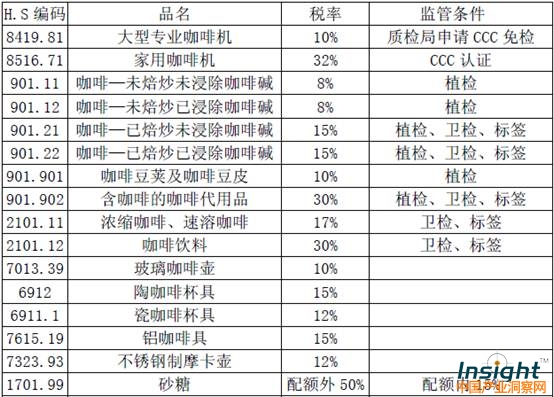
According to the relevant laws of China, coffee beans and their peripheral products (except sugar) are free trade goods. The relevant policies and regulations related to the import of coffee beans in China mainly include: (1) the import tax rate and regulatory conditions are related to the import tax rate and regulatory conditions. Professional coffee machine (boiler above 10 liters / excluding 10 liters) can apply for 3C exemption. The label belongs to the scope of commodity inspection, which is stipulated from 2.

The Road to the rise of China's "Kopi Luwak" Independent Brand
Life is a kind of art, life is a kind of art, food is a kind of art. Everyone yearns for a noble life and enjoy noble food. Coffee, which always gives people a kind of elegant and noble representative, is the object pursued by literati. Coffee is a kind of culture, and tasting coffee is also a kind of art. Kopi Luwak is one of the luxury goods in the world, symbolizing not only nobility, but also coffee culture.

Analysis of Coffee demand data in China in recent five years
There are records of coffee in the poems of the late Qing Dynasty, such as the bamboo branch word "Kao Fei", which was popular in Shanghai at that time. Colored sugar is sweet and bitter, and westerners cook tea for each meal. In the 1920s and 1930s, some cafes have appeared in old Shanghai and Kunming. Coffee shops and cafes temporarily disappeared at the beginning of the founding of New China. After the reform and opening up
Research report on the Development trend of Korean Coffee shops in China
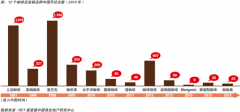
In the traditional impression, the European and American coffee shop brand Starbucks has been the "coffee shop scenery" in major cities for a long time, but in recent years, similar to popular film and television dramas, fashion clothing and other fields, there has also been a "Korean wave" in the coffee shop field.

What is the annual output of cat poop coffee beans in China?-how much is Manning Kopi Luwak?
What is the annual output of cat shit coffee beans in China-Mantenin Kopi Luwak coffee beans usually go through the process of shell fermentation. Coffee beans in the civets' intestines, special bacteria provide a unique fermentation environment, and the flavor becomes unique. Particularly thick and mellow. The coffee beans fermented by civets' intestines and stomach are very thick and mellow. Indonesian coffee has an earthy flavor and traditional Chinese medicine.

Analysis of Coffee demand data in China in recent five years
With the opening of the country, coffee began to appear in the eastern coastal cities. There are records of coffee in the poems of the late Qing Dynasty, such as the bamboo branch word "Kao Fei", which was popular in Shanghai at that time. Colored sugar is sweet and bitter, and westerners cook tea for each meal. In the 1920s and 1930s, some cafes have appeared in old Shanghai and Kunming. New

Policy Analysis of Coffee Industry in Cafe
According to the relevant laws of China, coffee beans and their peripheral products (except sugar) are free trade goods. The relevant policies and regulations related to the import of coffee beans in China mainly include: (1) the import tax rate and regulatory conditions are related to the import tax rate and regulatory conditions. Professional coffee machine (boiler above 10 liters / excluding 10 liters) can apply for 3C exemption. The label belongs to the scope of commodity inspection, which is stipulated from 2.
The number of cafes in China has doubled in the past five years.
According to the latest market research report released by London-based professional market research firm Mintel, the number of cafes in China has doubled from 15898 in 2007 to 31783 in 2012. Of the 3000 Internet users over the age of 20 surveyed, 1/5 of Chinese urban consumers said they had been to coffee at least five times in the past year.

Chinese Coffee Development Agricultural Research Institutes promote Chinese Coffee
At this point, the author's mood is agitated and dignified. Today, when Chinese coffee, especially Yunnan small-grain coffee, has developed to large-scale industrialization through the persistent cultivation of several generations of Chinese mainland and after several ups and downs, it is not easy to be rated as a first-class product by the International Coffee Organization (ICO). The author believes that Yunnan small-grain coffee can quickly rise in Chinese mainland and China's agricultural scientific research.
Starbucks China market is divided, Korean coffee shops have opened nearly 600 in two years.
In the traditional impression, the European and American coffee shop brand Starbucks has been the "coffee shop scenery" in major cities for a long time, but in recent years, similar to popular film and television dramas, fashion clothing and other fields, there has also been a "Korean wave" in the coffee shop field. RET Ruiyide China Commercial Real Estate Research Center released the first "Research report on the Development trend of Korean Coffee shops in China" on August 18.

Research report on the Forecast and Investment Strategy of China's Coffee Industry from 2012 to 2016
Against a backdrop of rising coffee use in major emerging markets, particularly in Asia and South America, global coffee demand rose 2 per cent year-on-year in the 2011-2012 fiscal year. During the 2012-2013 fiscal year, global coffee production held steady at around 146 million packs (60kg each). In the past ten years, coffee shops have sprung up on the streets of major cities in China, especially
Roasting Technology Research Coffee roasting Network China Coffee Network Coffee Barista's Gift
Technical research editors produce a series of chemical changes in the process of baking. After about 5-25 minutes of baking (depending on the temperature selected), the green coffee beans lose some humidity and turn yellow. In this process, the coffee beans will swell, changing from a strong, high-density raw bean to a low-density fluffy state. After this process, the size of coffee beans will increase.

Zheng Shang Institute is promoting the research and development of apple, red jujube, coffee and other varieties in an orderly manner.
April 20, the latest news about futures: China's second commodity options contract, sugar option, was listed on the Zhengzhou Commodity Exchange on the 19th. Fang Xinghai, vice chairman of the China Securities Regulatory Commission, said that more new varieties of futures and options will be launched in due course, guided by market demand. After the soybean meal option was listed on the Dalian Commodity Exchange at the end of March, the white sugar option was listed on the 19th.
Yunnan boutique coffee has the brand name of a professional research institution.
In order to promote the development of Yunnan boutique coffee industry and increase the income of farmers, the Yunnan Fine Coffee Society, which is provided by the Yunnan Provincial Association of Science and Technology, was officially established last Sunday. Yunnan Fine Coffee Society is an enterprise, institution and individual engaged in coffee scientific researchers, farmers, primary processing, intensive processing and coffee teaching in Yunnan Province.

The third China Pu'er Coffee Cup World siphon Pot Competition kicked off in 2014.
China good Tea Network: from January 7 to 8, 2015, thousands of people in hundreds of cities drank Pu'er coffee and the third Chinese Pu'er Coffee Cup World siphon Pot Competition in 2014. Wang Xuesong, an assistant researcher at the Tea Institute Coffee Research Center of the Yunnan Academy of Agricultural Sciences, was invited by the organizing committee to serve as the sensory judge of the competition. After the preliminary round, 13 contestants entered the finals

Annual data Analysis and Forecast of China's Coffee Market: instant Coffee Market share exceeds 70% (figure)
Professional coffee knowledge exchange more coffee bean information please follow the coffee workshop (Wechat official account cafe_style) China Business Intelligence Network News: with the improvement of our people's living standards and growing awareness of coffee culture, coupled with the huge demographic dividend, stimulate domestic coffee consumption. At present, China's coffee market is entering a stage of rapid development.

Development of Coffee Machine Market in China
According to the "China Coffee Machine Market Research and Development Prospect Research report (2016 Edition)" released by Lim Information Consulting, the Chinese coffee machine market is mainly concentrated in Shanghai, Beijing, Guangzhou, Shenzhen and other developed areas. These areas are characterized by high per capita income, fast pace of life, high level of internationalization, gathering of high-quality talents and so on. At present, there are foreign-funded factories in the Chinese coffee machine market

Introduction to the Development Prospect of Coffee Industry in China-Analysis of Coffee Industry
In April, Yunnan Coffee Industry Association formed a coffee drought research group to investigate the situation of coffee disaster. According to the on-the-spot investigation, as of late April, due to the serious water shortage, nearly 240000 mu of the existing coffee planting area of 400000 mu in Yunnan was affected, and the harvest was as high as 60, 000 mu. The drought has the greatest impact on coffee seedlings planted within three years, with the mortality rate of newly planted coffee seedlings as high as 40% in 2009. Near